I keep in mind a Tuesday in late spring when a client, a job manager called Elena, rolled right into the barn car park six minutes late, eyes lustrous, shoulders handcuffed to her ears. She told me she was great, after that asked forgiveness two times together. The bay mare I wanted for her session, Aspen, viewed silently from the paddock. We began with something basic. Elena stood outside the fencing, feet carry size apart, hands on her ribcage, and taken a breath. The gusting wind, the scent of hay, the consistent munch of equines close by produced a background that did half the help us. Ten mins later on, Elena's voice had gone down an octave. Aspen had actually strayed from her close friends and stood a couple of feet away, head reduced. We had actually not spoken about objectives or approaches yet, however Elena can see the comments. Her nerve system had softened. Aspen voted with her feet.
That is the current running through equine-assisted solutions. The steed does not require your return to, your diagnosis, or your bravado. The equine appreciates harmony, about whether your inside globe matches your outside signals. When we satisfy a steed without the armor, change occurs faster than many people expect.
Why steeds assist when the head is as well loud
If you have actually ever attempted to chat on your own out of stress and anxiety, you recognize the limits of language. You can note the reasons you are risk-free and still feel your pulse drumming in your throat. Horses obey reviewing refined changes in pressure, posture, and breath. In a herd, that sort of attunement is survival. In the sector, it comes to be a mirror for us. This is the heart beat of restorative horsemanship and of equine-facilitated wellness across ages and goals.
The body does not care about your smart story, it cares about coherence. When you find it, horses react in genuine time. Their feedback is straightforward, prompt, and without social gloss. If you are inflated, they drift away. If you are broken down, they might keep generous range. If you square your feet, really feel the ground under your heels, drop your breath reduced, and hold a clear objective, most equines tune in. That positioning can feel like magic, yet it is not strange. It is biology meeting behavior.
I lean on basic numbers when I clarify this to new customers. An equine's heart is about eight times bigger than a human's. An average lesson equine considers in between 900 and 1,100 pounds. You can not out muscular tissue that, and you should not try. You can out attune on your own, after that enjoy how a thousand extra pounds picks to attach because you got coherent.
What a typical session in fact looks like
People frequently image galloping in fields. The fact of equine-assisted activities is quieter and, in most cases, based on the ground. Sessions may be placed or unmounted depending on goals, safety, and the program. In my technique, many first meetings are unmounted. There is abundant understanding readily available without an unguis leaving the sand.
We begin outside the field, due to the fact that arrival is half the work. I invite a few mins of alignment to body and area. Hands on a fencing rail, really feel the structure. Note 3 sounds. Smell the hay. This is not fluff. It is a handrail for the nervous system.
Then we step into distance. Occasionally that is a hand on a warm shoulder and a soft brush via the layer. Other times it is twenty feet of area and a discussion about option. I instruct the grammar of equine habits early. Ears are signal flags. A tail can be a metronome or a caution. A lick and eat could indicate a shift toward parasympathetic remainder, however it can also mean dust in the mouth. We read in context.
If leading is suitable, I hand a cotton lead rope with a durable breeze, nothing fancy. We exercise short arcs. Can you ask the horse to walk with you at a mild rate, after that halt your very own feet and allow the serenity travel up the rope? Do you discover your shoulders climb or your jaw set when the equine gets interested regarding a spot of clover? The tasks are normal. The information is profound.
By the last fifteen minutes, we debrief. Not a lecture, a harvest. What did you really feel in your legs when the steed matched your breath? Where else in your life do you hurry through the ask and skip the time out? If riding becomes part of your program, we use the exact same lens in the saddle, with clear fifty percent stops, open hips, and remainder breaks built in. Equine-assisted training is not concerning doing an excellent pattern. It is about seeing patterns you lug everywhere and trying new relocate a flexible arena.
What to anticipate at your very first appointment
- Arrive ten minutes early to resolve yourself, not just your schedule. Wear shut toe shoes with a defined heel and climate layers you do not mind getting dusty. Expect a short safety alignment, then an unmounted beginning concentrated on observation and breath. Decide goals collaboratively, absolutely nothing gets forced. You can constantly alter your mind mid session. Plan for a brief debrief with takeaways you can test at home or work.
Safety, extent, and just how we maintain everybody whole
Horses are effective, sensitive animals. Good programs have unglamorous routines that make sessions smooth and secure. Halters in excellent repair. Gates latched. Never cover a lead rope around a hand. 2 steed lengths of area in between individuals when relocating a group. Helmets for placed work, period.
There are likewise scope-of-practice lines that matter. Equine-facilitated coaching addresses goals like management presence, boundary setup, and communication patterns. It is not psychiatric therapy. If trauma processing or professional stress and anxiety is on the table, that work belongs with a certified mental health and wellness specialist within a design of equine-assisted solutions designed for therapy. Some barns blend groups so a train, a therapist, and https://louisisla966.capitaljays.com/posts/saddle-up-for-self-discovery-healing-horsemanship-for-adults an equine specialist can share the same sector, each within their permit. I have actually referred customers regularly than I have actually claimed yes, and that is a mark of honest technique, not reluctance.
Edge instances show up. A client with a fresh orthopedic injury intends to ride. We wait, and we create abundant foundation. A youngster with a background of bolting requirements activity, however a quiet arena triggers dullness that can turn right into impulsiveness. We produce a scavenger course, cones scattered like constellations, terminals with grooming tasks, breath hints, and short lead line walks with clear stop points. The equine ends up being a co-regulator as opposed to a stimulation overload.
For nervous minds and bodies that forget they are safe
Anxiety assistance with equines does not imply the steed solutions are afraid. It means the arena offers you practice in making safety and security, then noticing it. The series matters. First, you locate sources that secure you. It can be a grooming rhythm, twelve strokes down the shoulder, pause, breathe. It can be leaning a hip versus a sturdy barrel to feel mass. It can be matching the horse's exhale, which frequently has a little huff and a fluttering lip.
Then, you taste the edges of activation. The horse shifts weight, throws a head, your stubborn belly tightens up. You clock it, back off one action, and return to source. This is the backbone of somatic healing with horses. It gives your nerves a felt memory of going up and down the arousal ladder without shame or a spiral. Over a few sessions, a lot of clients report that the re-entry to relax gets shorter. Not constantly linear, not a miracle treatment, however a skill you own.
A recent customer, a nurse who had actually not slept through the night in months, claimed the only time her mind went silent was the five minutes when she curried a gelding called Toby. Feeling, rhythm, and gentle, noticeable result on a living companion produced a feedback loophole that made good sense to her body. We made use of that as an at-home prescription, a brisk dry-brushing regimen prior to bed, breath timed to slow strokes, not due to the fact that it was equine, however because it worked the very same groove.
When focus scatters and serenity is a trap
ADHD equine learning assistance looks various from the sales brochures. Sitting still to be calm is a mismatch for numerous minds. Movement helps. Uniqueness helps. Structure aids. Steeds give you all three without displays. I will frequently establish a short pattern of ground posts, colored cones, and a gateway. The job may be to lead at a walk, halt at each cone and name a sensory input, after that back two actions with eviction with soft hands. The loophole takes around ninety seconds, which is best. Comments is immediate. If attention totters, the steed waits or barrels past a cone, and we readjust. No scolding, just information.
One teenage customer kept losing the string in the 2nd half of any series. We broke the pattern in half, then made use of a timer and a playful challenge. He can earn one added minute of riding for each complete, connected hand down the ground. He tallied four minutes the initial week, eight the next, then discovered that walking slowly with objective gave him more control over the horse and himself. His teacher discovered that presentations went much better when he stood and walked a slow-moving lap of the class before talking. Transfer is the metric that matters.
Sensory requirements and a barn that listens
Alternative treatment for sensory difficulties commonly leans on desensitization. In steed job, I favor titration and option. The barn is a rich setting. Hay has a sweet, dusty scent. Natural leather squeals. Flies buzz in summertime. We adjust. We brush away from followers for children who dislike the oscillating whoosh. We utilize softer brushes if bristle noise is grating. We call audios prior to they spike the system. The steed's coat uses deep pressure input that many people find settling, especially throughout the shoulder and along the neck. If mounted job becomes part of the program and motion aids, the walk can be a metronome. For others, movement is way too much, and we build a station with a hay web and a stool, a quiet edge for viewing and breathing before contact.
One kid in our autism equine discovering program put on noise-canceling earphones the first four sessions. He stood with his back to the arena and viewed darkness. When he selected to turn around, I did not shut the gap. I mirrored his position, five feet away, and talked less. The mare we made use of, True blessing, yawned, licked, and slept. On the 6th see, he stepped up, touched her shoulder momentarily, after that retreated. That second was a mile in his nervous system. We treated it as necessary. Six months later, he strolled a full lap leading True blessing, two hands on the rope, breath visible, posture tall as a fencing article. Development looked like a hundred tiny choices split, not a solitary triumph.
Team structure with steeds that in fact transforms Monday
Corporate teams get here with buzzwords. Harmony, positioning, possession. Horses are unimpressed by mottos. They care if five individuals can settle on an instructions without yanking. A durable team building with horses day has more silence than a lot of offsites. We run workouts like herd navigating with a set of nonverbal instructions. The group has to relocate a steed through a basic pattern of barrels and poles using no halters, simply body placement and clear functions. We revolve who leads from the front, that anchors the flank, that expects the drift to the hay stacks. People discover rapidly that overcompensates when the plan tears and who disappears.
Because feedback is instant, groups program proper in mins, not quarters. A tech group I dealt with understood their sprint retros did not have a common stop. They included a thirty 2nd breath and reset between program items back at the office. It appeared ridiculous until their CTO reported meetings that used to blow previous 90 mins now wrapped in 55, with fewer rehashes and more follow through.
A simple team exercise to try out the farm
- Set 4 cones in a big square, regarding 20 feet apart. Pick one steed accustomed to freedom work in a safe, encased arena. Assign functions silently: front overview, left wing, extreme right, and observer. No person speaks when the exercise begins. The group's job is to welcome the horse to stroll a full square around the cones, pausing three secs at each corner. If the equine drifts, change body placement and energy, not speed. The viewer notices patterns and reports them just after the attempt. Debrief. What signals moved the steed forward, what stalled it, and where did the group send out mixed messages without noticing?
Coaching, therapy, and horsemanship under the very same roof
The vocabulary can obtain sloppy. Equine-assisted coaching focuses on personal and professional development. Think management existence, limits, and communication designs. Equine-facilitated coaching is a closely relevant label lots of coworkers make use of. Therapeutic horsemanship commonly describes flexible riding direction in an organized lesson style, targeted at skill structure and entertainment for bikers with varied capacities. Equine-assisted services is the wider umbrella that includes psychiatric therapy, occupational therapy, physical treatment, and speech language job integrating horses.
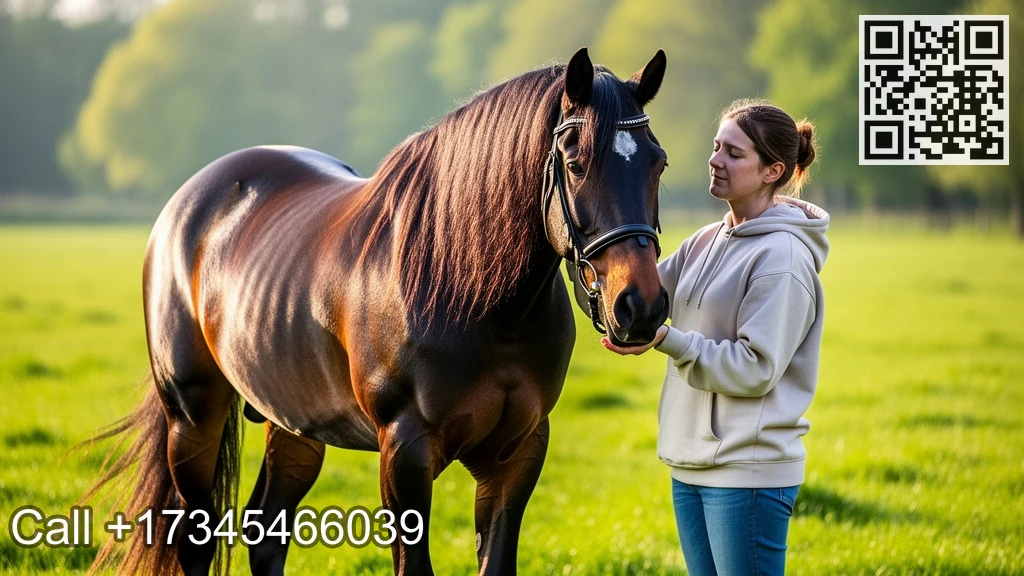
Programs blend techniques, however the best ones are crystal clear regarding that does what. On our farm, a session focused on executive leadership might include foundation with 2 horses, power monitoring drills, and function play. A treatment session run by a licensed clinician on another day might make use of the same sector and horses, however with a various framework and clinical goals, such as decreasing evasion habits related to trauma. Both are effective. Neither changes the other.
What the study recommends, and what I have actually seen
The scientific research is still reaching what several steed people have actually experienced for years. Early studies point to renovations in self regulation, balance, and social involvement for a series of individuals that take part in equine programs. You can locate data on heart rate irregularity shifts during sessions that suggest enhanced parasympathetic tone, which aligns with the quiet sigh you learn through clients and equines mid check out. Bikers in adaptive programs often acquire core strength and balance over a dozen sessions, measurable by longer independent sitting times or smoother shifts. None of this is a remedy all. It is a modality that pairs a target pet's honest comments with human guidance.
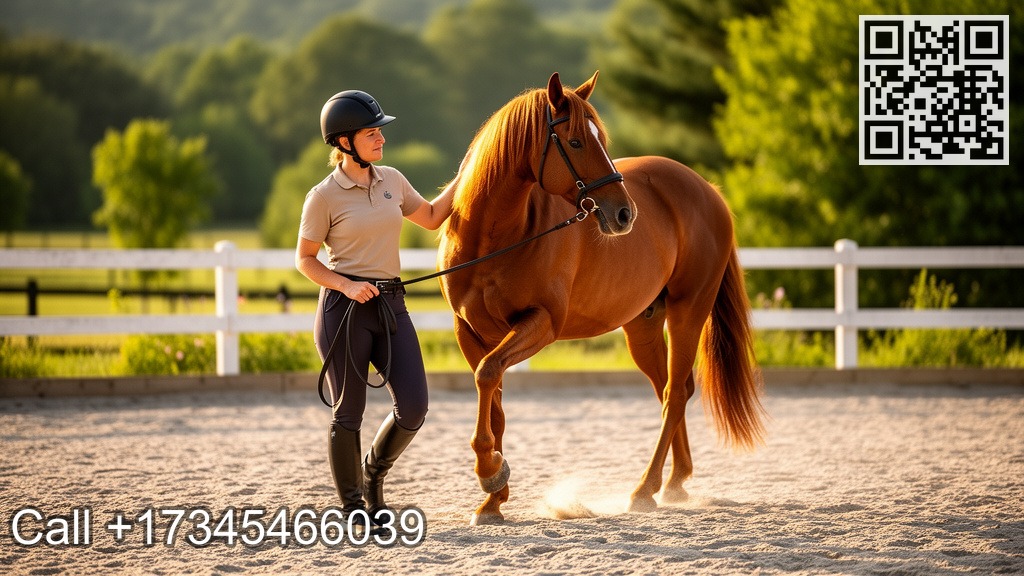
My ledger is less official and full of names. A firefighter that learned to make a tidy request without barking it, then enjoyed his novice crew respond without flinch. A teen who quit eating his finger nails after noticing he clenched at the placing block, then practiced soft hands all over. A teacher who realized she overexplained when nervous, then rode a figure utilizing only breath and seat. These adjustments hold because they live in the body, not just in a clean insight.
When things do not click
I dream every pairing sang. Some matches do not. A client's power and a horse's personality can clash. An instructor's style can grate. Weather condition can transform a thoughtful session right into a gusty mess of waving tarpaulins and sidetracked minds. This is not failure. We switch horses. We relocate to the round pen. We shorten the target for the day to one excellent halt and a tidy farewell. Consistency issues more than fireworks. If three sessions straight seem like grinding equipments, we re assess objectives or refer to a different service provider. Steeds show timing and really feel. That includes knowing when to pause.
Cost, tempo, and the long arc of learning
People ask how many sessions it takes. The actual response is it depends. For specific leadership objectives, I like a package of 4 to six, spaced weekly or biweekly, with quick practices in between. For stress and anxiety assistance with steeds, we may begin once a week for a month, then taper. For family members looking for an autism equine discovering program, we often anchor to the college calendar, with seasonal changes that respect warmth, daylight, and focus spans. Numerous barns supply scholarships or gliding scales, and some therapy programs can bill insurance. Ask straight. The worst any individual can say is no, and you might discover an imaginative option.
Between sessions, little practices carry the gains. A min of box breathing while you make coffee. A pose check walking to a conference, feet under hips, chin level. A little ritual of hand on heart before you clip a lead rope, or before you open your laptop computer. The barn is an accelerant, not a bubble. You take the new patterns home.
How equines shift culture, someone at a time
I once worked with a medical care group that appeared running warm. They were kind, knowledgeable, and torn by a year that did not yield. Throughout a herd observation, I asked to see who chose to relocate first and who kept the edges tidy. One registered nurse noticed that the gelding that pushed others to water did it with a tiny arc of pressure, then tipped away. He did not hover. She giggled via tears and claimed she had actually been doing the group's hydration push like a products train, hovering at the water colder to enforce compliance. Back at work, she tried the push and release. Compliance went up. Complaints went down. It is not that the steeds taught hydration method. They exposed a truth about pressure, timing, and dignity that converted to a very human hallway.
This is the form of equine-facilitated health. Not silver bullets. Not a solitary discovery that transforms everything. A stack of based experiences that nudge your system towards comprehensibility. The equine does not appreciate your tale, your title, your checklist of reasons. The equine appreciates your breath, your feet, the solidity of your ask. If that sounds basic, it is. It is also the kind of straightforward that takes practice.
Finding a fit and asking better questions
If you are curious concerning experiential knowing with steeds, begin with individuals, not web sites. Ask how they select equines for customers. Ask how they take care of a no from a participant or an equine. Ask what occurs if you obtain overwhelmed, if your youngster melts down, if the climate spikes. If the answers are inflexible or salesy, keep looking. Search for suppliers who companion with vets and farriers who understand their herd well. Walk around the area. Healthy and balanced coats, clear eyes, water troughs that are clean sufficient you would allow your pet drink. Staff who call horses by name and laugh conveniently. Power is shared, not hoarded.
Be clear regarding your objectives. Equine-assisted training for a manager rolling right into a new duty will certainly look various than equine-assisted tasks made for a child structure bilateral control. Both can flourish under the larger umbrella of equine-assisted solutions when programs recognize their lanes.
The last silent minutes
When Elena returned a month after that initial session, she parked 5 mins early and beinged in the taxi with the home windows down. She did not ask forgiveness when she strolled in. We groomed in silence, then led Aspen with a sluggish serpentine. At each bend, Elena readjusted her shoulder, breathed, and waited. Aspen mirrored her. It looked like absolutely nothing a lot from the outside. Inside, it felt like alignment, the kind that does not require a pep talk to hold. She sent me a note a week later. Four words. I can stop now.
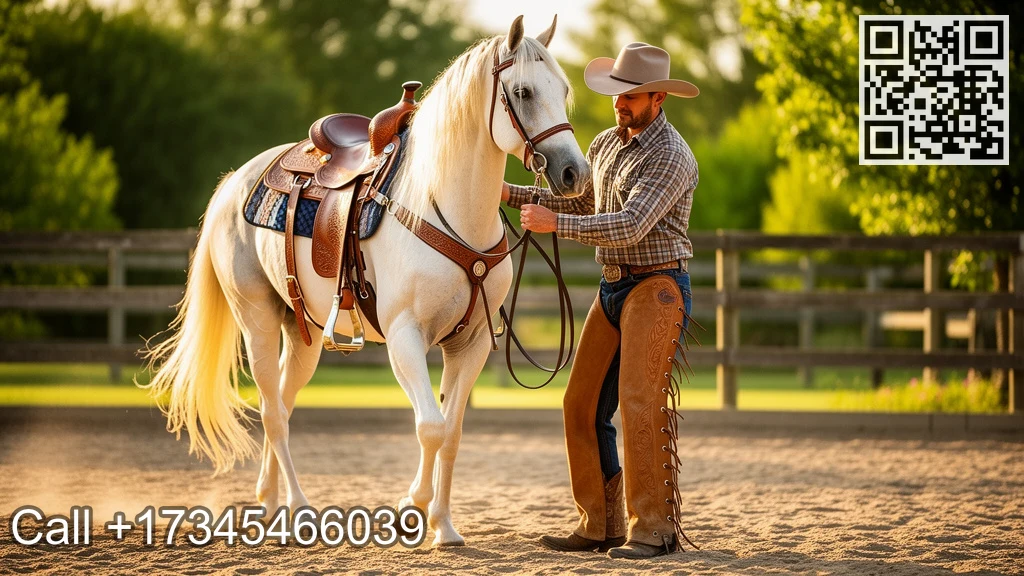
That is the job. Horses make the unseen visible, then allow you attempt again with kindness. Whether you come for leadership, for anxiety, for sensory assistance, or for the enjoyment of fulfilling a big, honest being in an area, the course from bewilder to placement is walkable. One breath, one clear ask, one soft step at a time.